I’ve always believed your home should feel like an extension of you, not a showroom or a copy of whatever happens to be trending on Pinterest that year. Some of my favorite spaces are the ones that have been built slowly. A designer piece you saved for, something vintage you found unexpectedly, art that means something to you, and yes, the occasional Amazon or IKEA find that somehow works perfectly.
Whether you're decorating your first apartment, starting over somewhere new, or simply wanting your current space to feel a little more you, these are a few things I’ve learned along the way.
@erindendres
Buy What You Love, Not Just What You Need
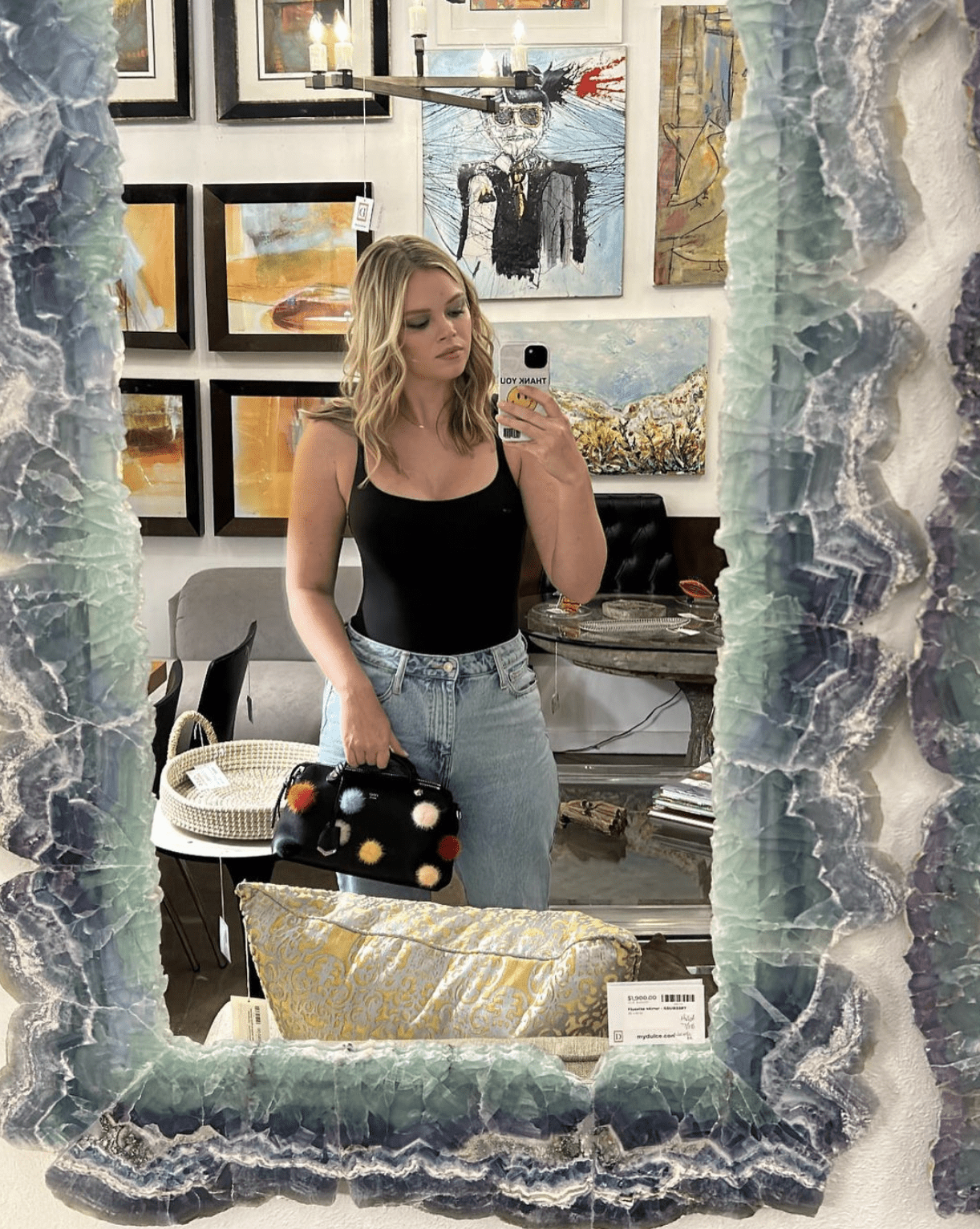
One of the biggest shifts I’ve made with interiors is learning that I don't need to finish a room immediately. It’s tempting to move into a space and want everything done within a few weeks, but I’d rather live with an empty corner for a while than fill it with something I don’t actually love.
Take your time. Save inspiration. Make a list of what you're looking for and keep your eyes open. One of my favorite places to do this in Dallas has always been Dulce Interior. I love stopping in because their inventory is constantly changing, and you can find incredible one-of-a-kind consignment pieces from some pretty amazing homes. Shopping resale also means you can often access a level of quality or design that might have been outside your budget at retail.
My rule: If I wouldn't be excited to bring it with me to my next home, I probably don't need to buy it for this one.
@erindendres
Let Your Home Have Some Personality
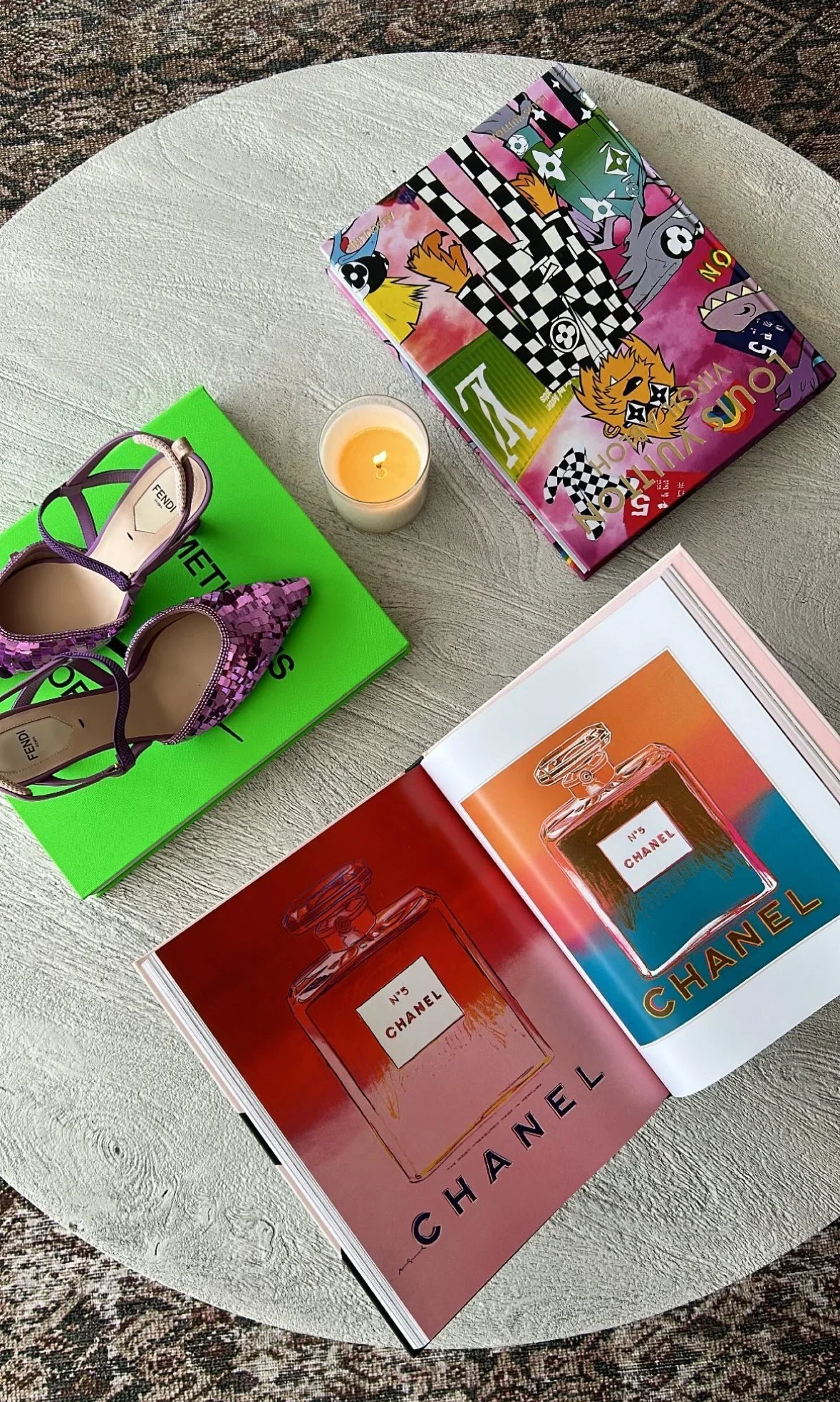
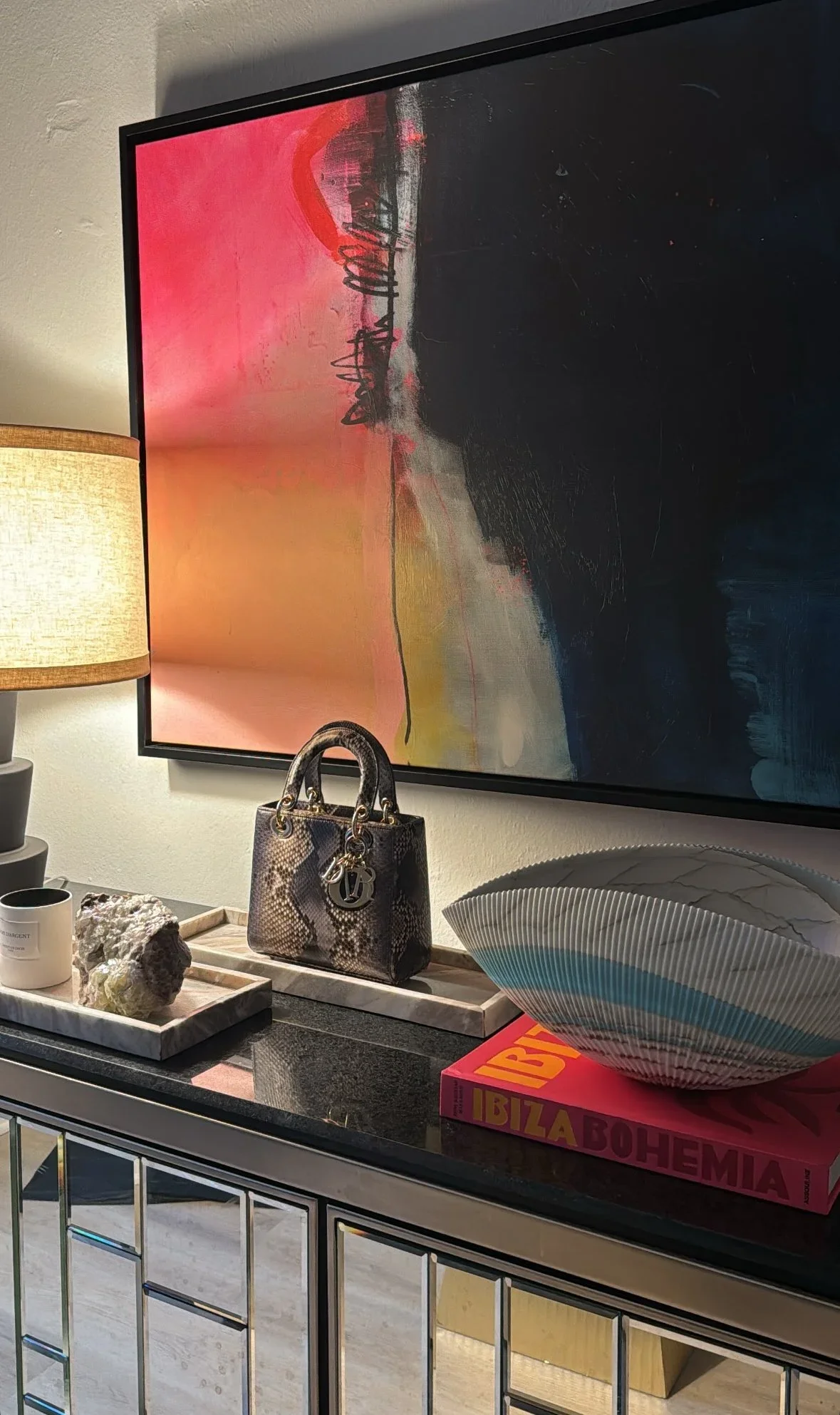
For a long time, I thought an entirely neutral home was the definition of chic. Then I realized mine was starting to feel a little... beige. I still love a neutral foundation, but introducing color through art, pillows, books, vintage pieces, and unexpected accessories made my home feel so much warmer and more personal.
I've had to push myself outside of my comfort zone with mixing colors, and now those are often the details I love most. There’s something almost nostalgic and playful about it. Your home doesn't have to fit perfectly into one aesthetic. It just needs to feel good to you.
Know Where to Spend and Where to Save
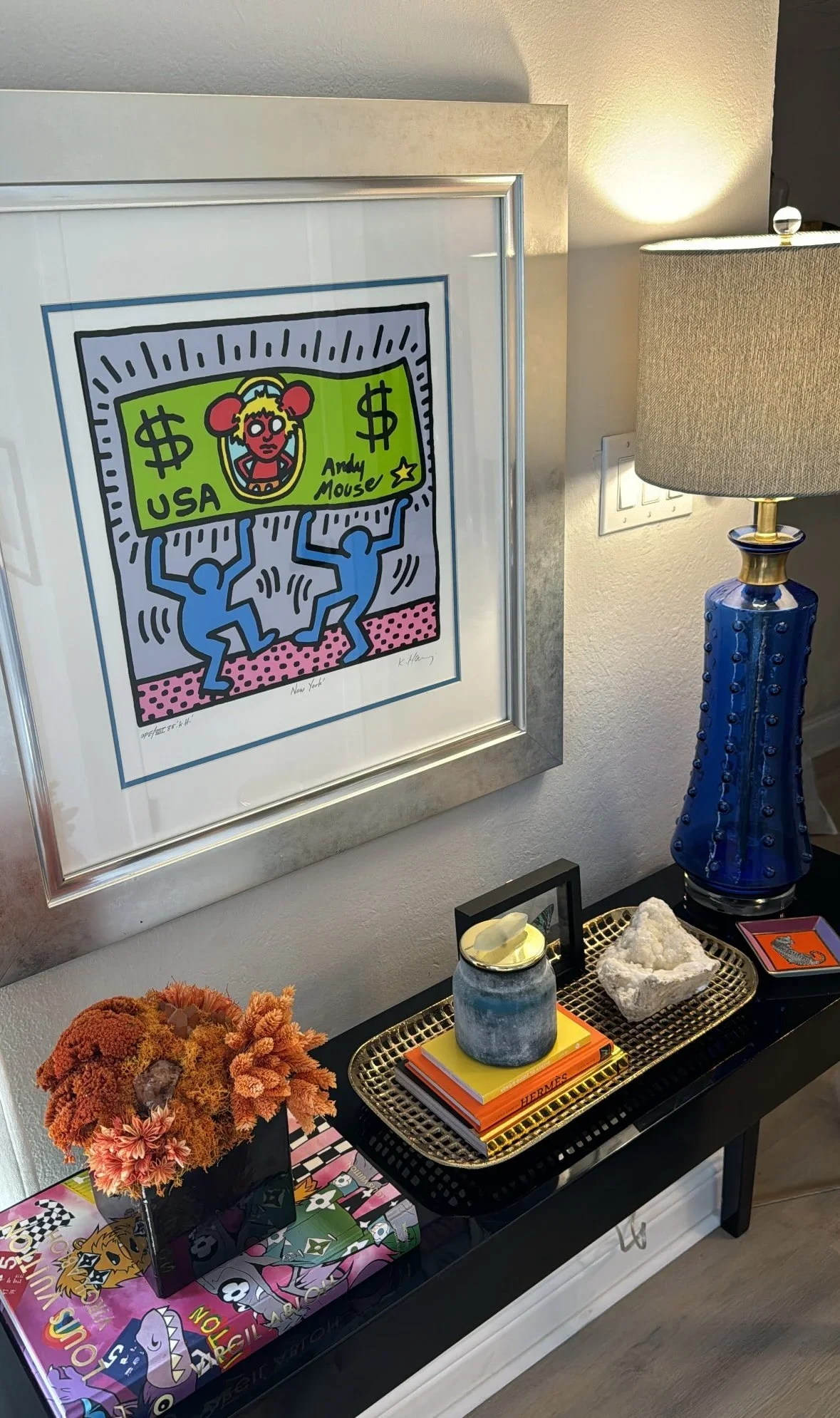
I don't believe every piece in your home needs to be expensive. Actually, I think rooms are more interesting when they're a mix.
I'll happily pair an affordable Amazon find with a beautiful designer chair, vintage table, or investment sofa. The contrast keeps a home from feeling overly decorated and allows you to spend more intentionally.
For pieces you use constantly, like your sofa, bed, dining table, or favorite chair, quality matters. Look at construction, materials, dimensions, and whether you can realistically see the piece working in another home someday.
Then save on the things that are easier to change as your taste evolves. A high-low mix will almost always feel more personal than buying an entire room from one place.
@erindendres
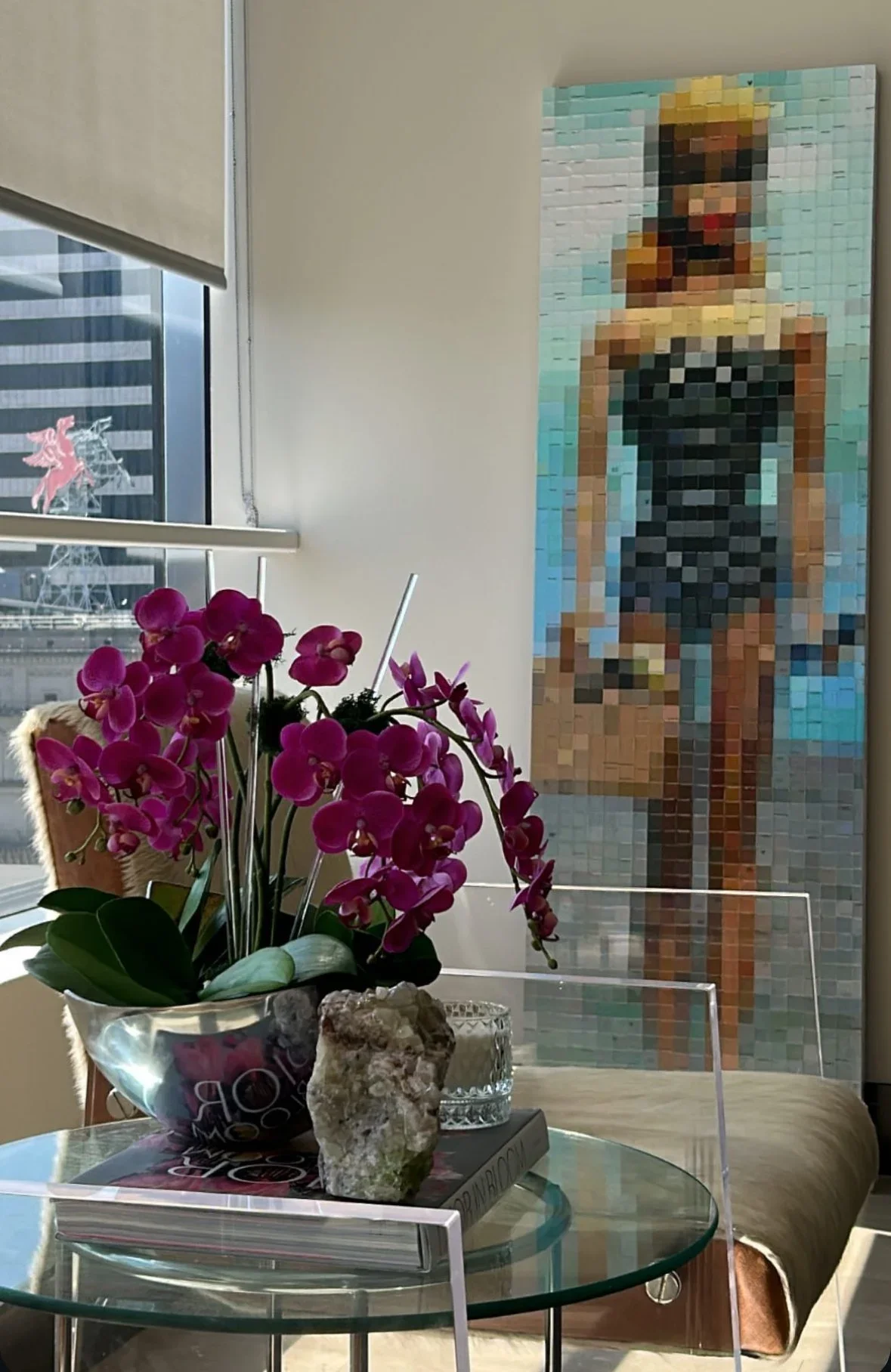
Never Underestimate Good Lighting
This may be one of the easiest ways to make a home feel better. I rarely want one bright overhead light illuminating an entire room. Instead, I love having several sources of light throughout a space: table lamps, floor lamps, sconces, picture lights, and candles.
It creates warmth and makes a room feel lived-in rather than overly polished. And if you can put your lighting on dimmers, even better.
Mix Old With New
Some of the pieces I find most interesting are the ones you can't immediately identify. A vintage table next to a newer sofa. An antique frame holding modern art. Something passed down from family mixed with something you found last week.
Those combinations give a room character. Vintage and consignment shopping can feel overwhelming, especially when you're walking into a showroom with hundreds of completely unrelated pieces. I’ve found it helps to keep a running moodboard and a list of specific things I’m searching for.
Instead of walking in thinking, Do I like anything here? I’m looking for the brass side table or the oversized vintage mirror. It makes the hunt much easier and a lot more fun.
Add Texture Before You Add More Stuff
When a room feels like it's missing something, the answer isn't always another piece of decor. Sometimes it just needs texture. Linen, velvet, natural wood, stone, wool, aged metals, woven materials, and even the way you layer pillows and throws can completely change the feeling of a room.
I especially love this in neutral spaces. When you aren't relying heavily on color, texture is what keeps everything from falling flat.
Make Sure You Can Actually Live There
A beautiful home isn't very useful if you're afraid to sit on the sofa. Comfort and function should always be part of the conversation.
Think about how you actually live before buying something simply because it photographs beautifully. Do you have dogs? Do you entertain? Do you eat dinner on the sofa more often than you'd like to admit? Do you need hidden storage? Do you want friends to be able to come over and immediately curl up somewhere?
Your home should support your life, not the other way around.
Let It Evolve With You
Maybe this is the biggest thing I’ve learned: your home doesn't have to be finished. Your style changes. Your life changes. You move, discover new things, sell pieces, inherit others, and realize that something you loved five years ago doesn't feel like you anymore.
That's part of it. I’d much rather have a home filled with pieces I've collected slowly and genuinely love than one that was perfectly decorated in a weekend.
Create a good foundation, invest where it matters, shop resale, mix high and low, and leave a little room for the unexpected. The best homes tell you something about the person who lives there. Yours should too.